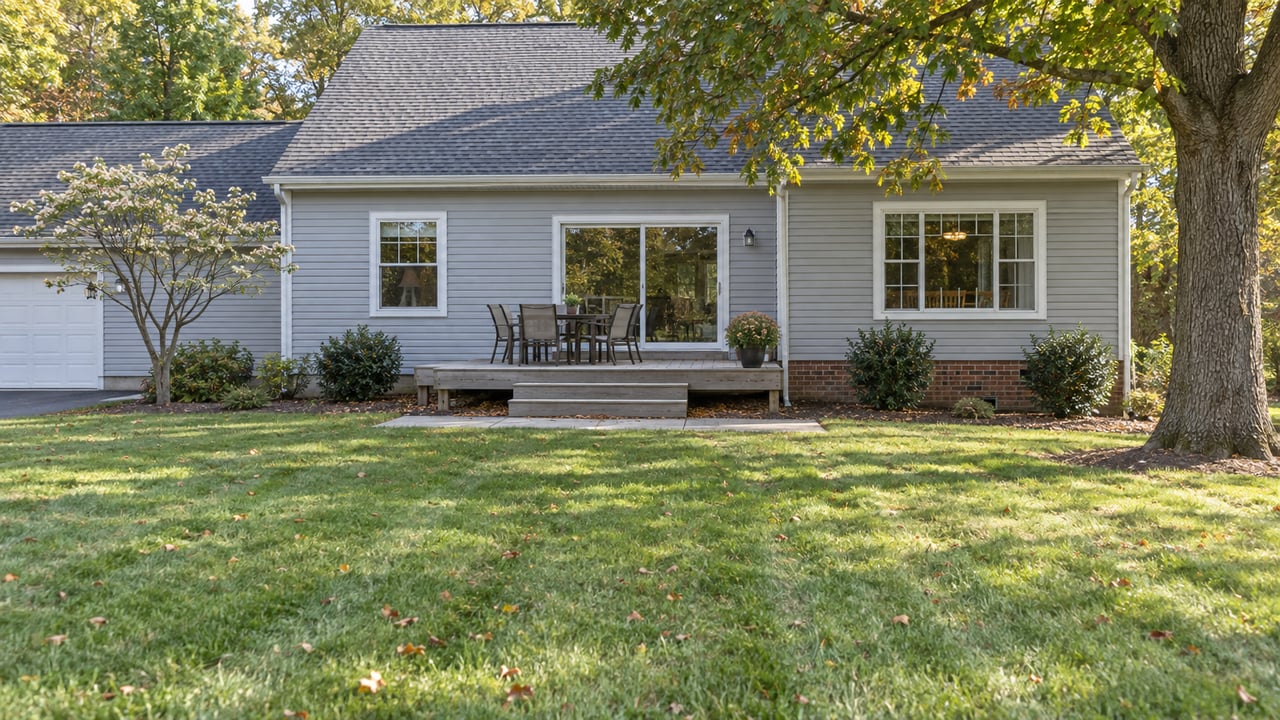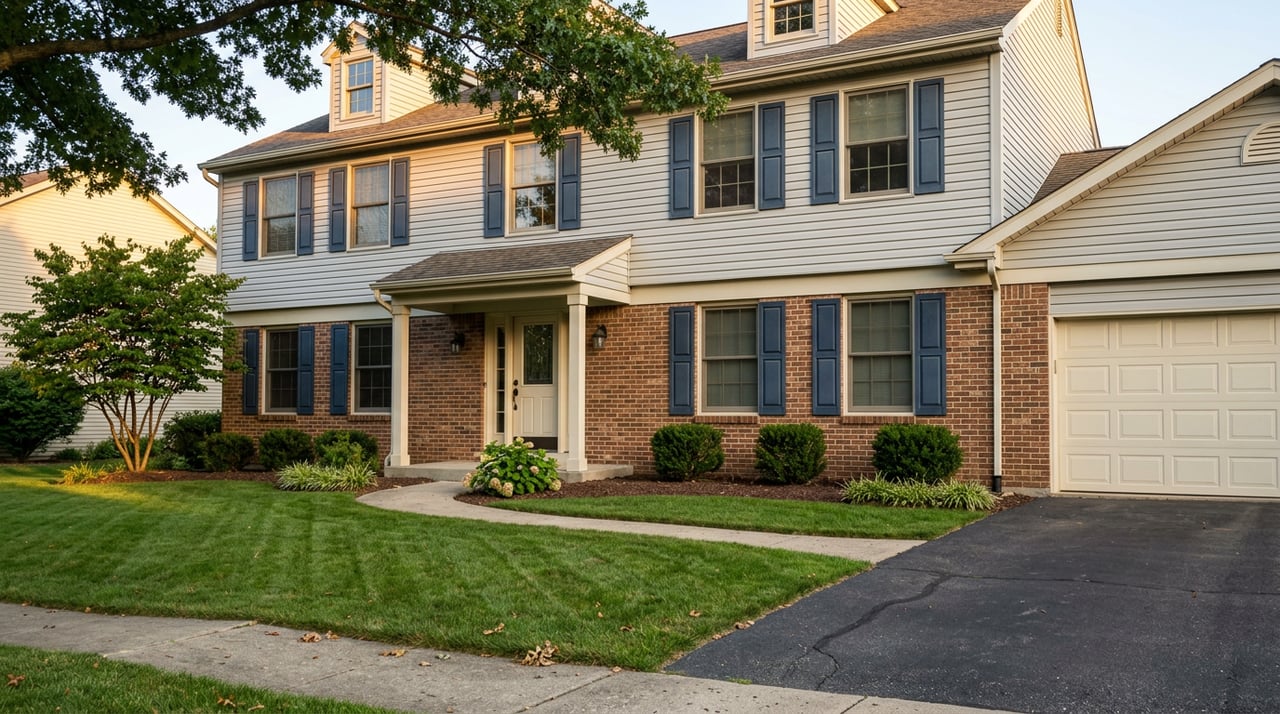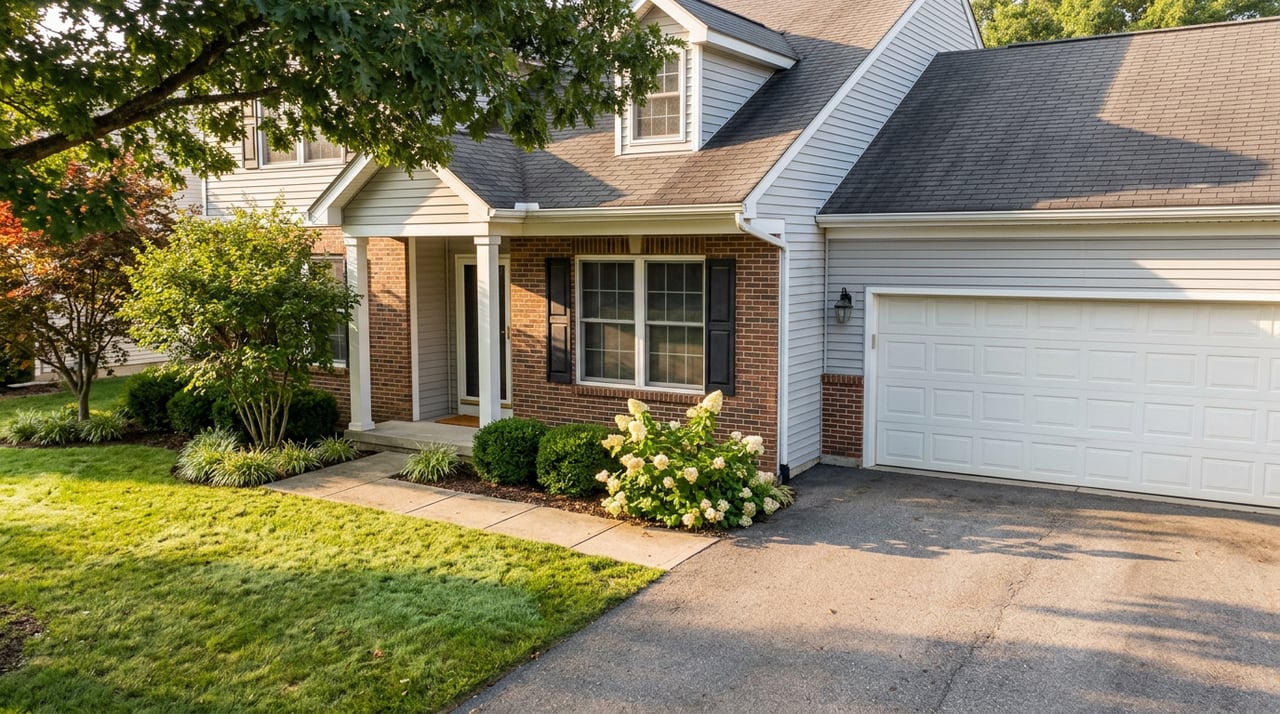
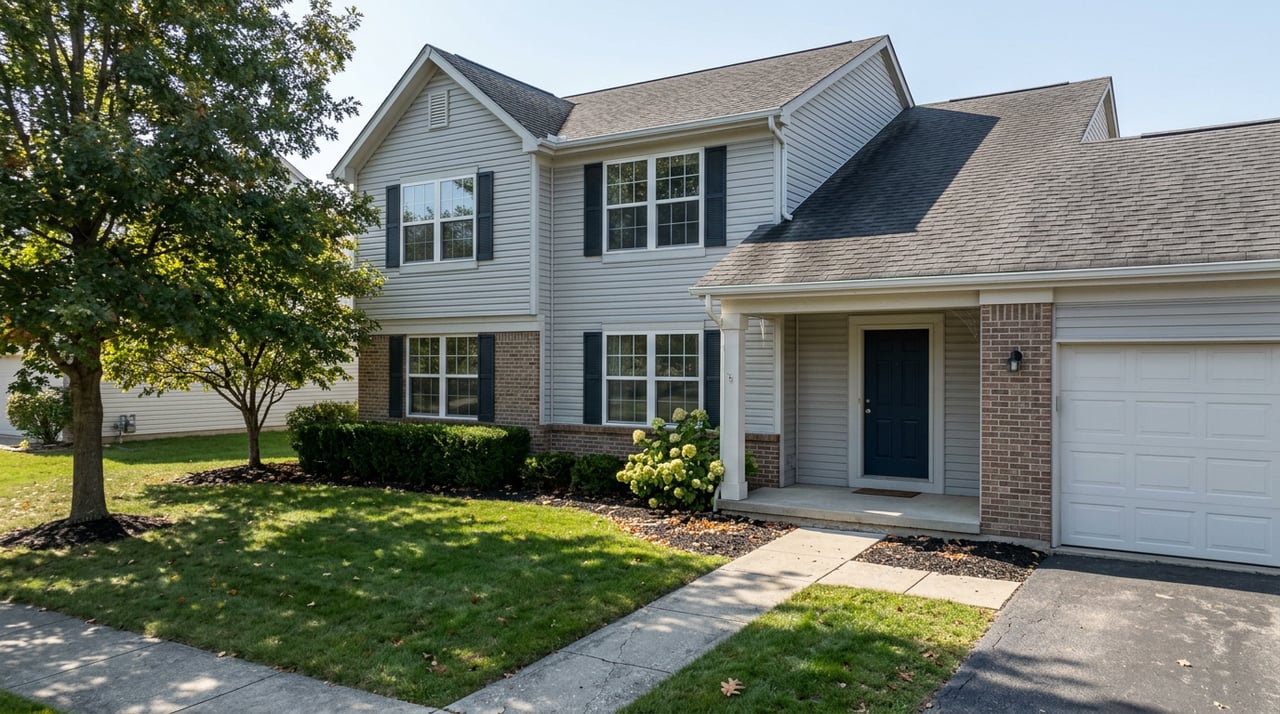
Most sellers in Northern Virginia budget for one HOA resale certificate, one inspection, one fee, and move on. In Lake Ridge, that assumption is wrong for a lot of properties, and the gap between what sellers expect and what the community actually requires is where closings slow down.
The reason traces back to how Lake Ridge is built. It isn't a single homeowners association layered over a subdivision. It's a master association, the Lake Ridge Parks and Recreation Association, wrapped around a mix of single-family homes, townhomes, condominiums, two apartment complexes, and commercial parcels, with several of those product types carrying their own sub-association on top. If you own a condo or a townhome inside one of those sub-associations, you're not filing one disclosure packet before you list. You're filing two, from two different organizations, on two different clocks.
Two Associations, One Address
Lake Ridge Parks and Recreation Association, known locally as LRPRA, has governed the community since March 29, 1972, when its Declaration of Covenants, Conditions and Restrictions was recorded in Prince William County. It's a Virginia non-stock corporation covering roughly 4,700 acres along the southern bank of the Occoquan Reservoir, with about 1,200 of those acres maintained directly by the association across close to 7,278 property units.
That's the master layer. It's the association that runs the five community pools, the spray ground, the boat ramp, the community centers, and the tennis, pickleball, and basketball courts that make Lake Ridge feel like its own small town inside Woodbridge. Every property in the community pays into it and answers to it.
The second layer only applies if your specific unit sits inside a condominium or townhome sub-association. LRPRA's own website is direct about this: condo sub-association members must request a resale certificate from their management company, in addition to a Lake Ridge Parks and Recreation resale certificate. That single sentence, buried on a "Selling Your Home" page most sellers never read until their agent sends them the link, is the whole mechanism. One property, two associations, two packets, two fee schedules, two statutory clocks running under Virginia's Resale Disclosure Act.
The Inspection That Comes With the Paperwork
Requesting LRPRA's resale certificate doesn't just generate a document. It can trigger a physical inspection of your lot.
The association's governing documents give staff and their authorized representatives the right to enter and inspect a lot, a power written into Article IV, Section 2 of the Declaration. In practice, LRPRA's Covenants Department uses that authority to check exterior compliance whenever a resale disclosure packet is requested, whenever a neighbor raises a concern, or simply during routine neighborhood passes. The association's own FAQ confirms staff can enter yards for this purpose, including fenced ones.
What they're checking for is spelled out on LRPRA's covenants page: fading paint, discoloration, general upkeep, and unresolved exterior alteration issues. Any open violation gets disclosed in the resale certificate and becomes the purchaser's responsibility on paper, but in practice it often becomes the seller's problem first, because buyers and their agents will ask why a violation is sitting there uncured before they'll move forward at the agreed price.
I tell every Lake Ridge seller the same thing before we sign paperwork: budget the process like it's two closings worth of disclosure, not one, and walk your own exterior before the association does.
One detail worth knowing if you're in a condo: LRPRA waives its own inspection fee for condo units and for properties in East Lake Ridge specifically. That doesn't eliminate the inspection process at the sub-association level, since your condo's management company runs its own compliance review as part of preparing its certificate. It just means you won't pay LRPRA twice for the same kind of check.
What Two Packets Actually Cost You in Time
Virginia's Resale Disclosure Act gives an association 14 days from a written request to deliver a resale certificate. That's the statutory floor everyone building a settlement timeline should know, and it applies separately to each association involved.
For a single-family lot with no sub-association, that's one 14-day window. For a condo or townhome, you're potentially looking at two 14-day windows, and unless your agent or settlement company requests both packets on the same day, those windows don't run concurrently by default. If the management company's certificate comes back first but LRPRA's doesn't land until day 13, your settlement date just absorbed nearly two full weeks it didn't need to.
Virginia's Common Interest Community Board also sets statewide caps on what any preparer can charge for these packets, and the current schedule runs meaningfully higher than what many sellers remember from a previous sale. Inspection fees can run over $140, preparation and delivery of a paper certificate can approach $212, and an expedited turnaround adds another fee on top of that. Multiply any of that by two associations and the paperwork line item on a Lake Ridge closing disclosure looks different than it does in a subdivision with a single HOA.
The Assessment Timing Sellers Miss
There's a second clock running underneath all of this, and it has nothing to do with the resale certificate itself. LRPRA's fiscal year runs September 1 through August 31, with quarterly assessments due September 1, December 1, March 1, and June 1. New FY27 rates took effect September 1, 2026, which means anyone listing this fall is working from a fresh assessment number, not the one they were billed last spring.
The association's collection policy adds real teeth to this. If a quarterly payment isn't received within 15 days of the due date, LRPRA sends a Reminder Notice. At 30 days past due, a Pre-Acceleration Notice goes out warning that the privilege of paying quarterly is about to be revoked. If the account still isn't current by the stated deadline, the entire remaining annual assessment becomes due in full immediately, no more quarterly installments.
For a seller, this matters because a resale certificate discloses current and pending assessments as of the date it's issued. If you're mid-cycle on a quarterly payment that's about to accelerate, or if you settled into a habit of paying late without noticing the 60-day trigger, that balance shows up on the certificate your buyer's lender and title company will read closely. It's a fixable problem if you catch it early. It's a closing delay if you don't.
A Timeline That Works Backward From Closing
Given two associations, two 14-day statutory windows, and an inspection that can flag exterior issues, the practical move is to start the paperwork long before you're ready to sign a listing agreement.
- Confirm whether your address sits inside a condo or townhome sub-association, or stands alone as a single-family lot under LRPRA only.
- If a sub-association applies, request both resale certificates the same week, not sequentially, so the 14-day clocks overlap instead of stacking.
- Walk your own exterior with LRPRA's covenants standards in mind: paint condition, yard maintenance, any unapproved alterations. Cure what you can before anyone official shows up.
- Check your assessment account against the FY27 rate schedule before you list, especially if your payment has ever landed close to the 15-day or 30-day windows.
- Ask about the expedite fee only if your timeline is genuinely tight. It buys speed, not certainty, since the underlying inspection still has to happen.
None of this changes what your home is worth. It changes whether the closing you negotiate actually happens on the date everyone signed for.
A Few Straight Answers
Does every property in Lake Ridge need two resale certificates? No. Standalone single-family lots governed directly by LRPRA generally need just the one. The second certificate only applies if your specific unit sits inside a condominium or townhome sub-association with its own management company.
What actually triggers the yard inspection? Requesting a resale certificate is the most common trigger, but LRPRA's Covenants Department can also inspect after a resident complaint, during a routine neighborhood pass, or as part of reviewing an Architectural Committee application. If you're listing, assume an inspection is coming regardless of what prompts it.
Am I on the hook for LRPRA's inspection fee? Not if your property is a condo or sits in East Lake Ridge specifically. LRPRA's published policy exempts both from that particular fee, though your sub-association's own certificate process may carry its own charge.
If you're weighing a sale in Lake Ridge, or trying to figure out which side of this structure your specific address falls on, At Home With Ally can walk through your property's exact paperwork path before you list, so the timeline you plan for is the one you actually get. Let's connect.