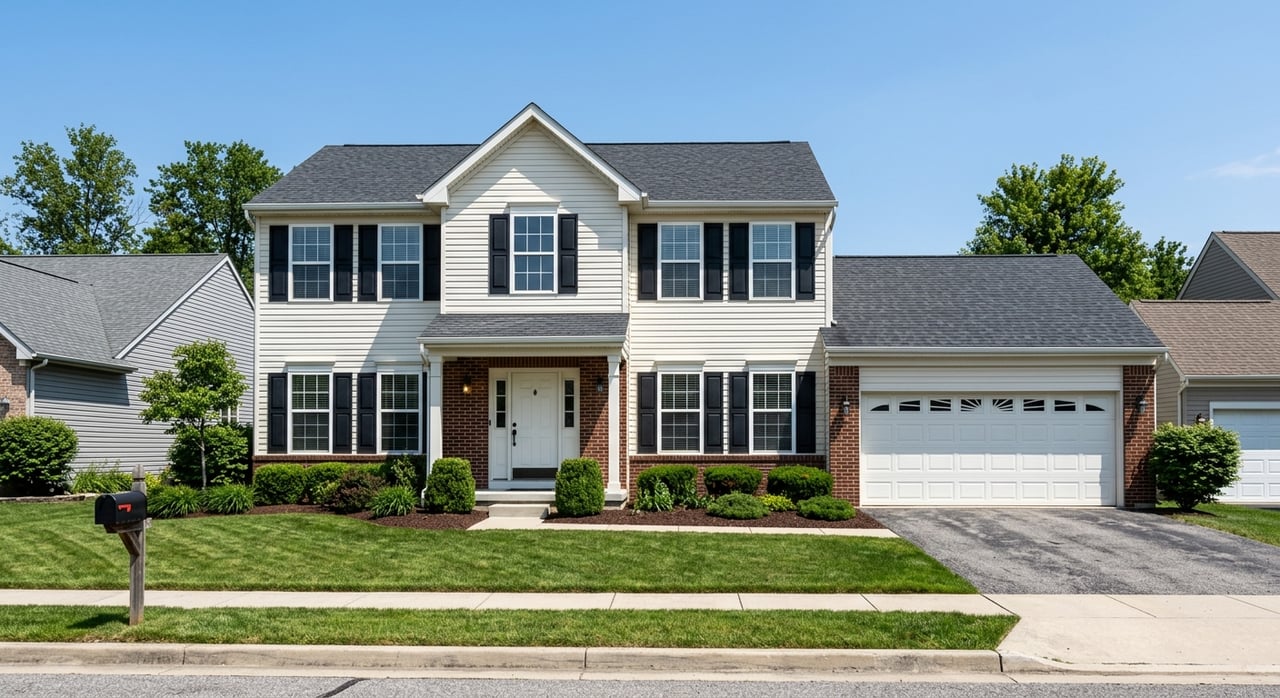
Wondering whether HOA life in Woodbridge is a perk, a pain point, or a little of both? You are not alone. If you are buying or selling in Woodbridge, understanding how a homeowners association works can help you avoid surprises, budget more confidently, and choose a community that fits your day-to-day life. Let’s dive in.
How HOAs work in Woodbridge
In Woodbridge, many planned communities operate under mandatory homeowners associations. In Virginia, these associations are developer-created common interest communities with elected boards that can enforce rules and collect assessments for shared property after developer control ends.
That matters because an HOA here is often much more than a line item in your monthly budget. In many Woodbridge communities, the association helps manage shared spaces, amenities, maintenance, and neighborhood standards that shape how the community functions.
The scale can vary a lot from one community to another. Lake Ridge serves about 7,200 homes and maintains more than 97 roads, while Potomac Club includes 1,242 residential units plus an apartment complex on site, and Belmont Bay includes 1,123 dwelling units across condos, detached homes, and townhomes.
Why amenities matter
For many buyers, amenities are the biggest reason to consider an HOA community. They can add convenience, recreation, and shared upkeep that might be hard to replicate in a non-HOA neighborhood.
Lake Ridge offers one of the broadest amenity packages in the Woodbridge area. The community includes 5 pools and a spray ground, 2 community centers, 6 tennis courts, 4 pickleball courts, a multi-use court, a volleyball pit, a boat ramp, 19 playgrounds, 2 outdoor fitness stations, and a soccer and softball field.
Beyond that, Lake Ridge also highlights clubs, classes, and a licensed preschool. If you want a community with a lot happening inside the neighborhood, that can be a meaningful part of the value.
Potomac Club has a different setup and feel. Its amenities include an indoor pool, outdoor pool, fitness room, sauna, business center, clubhouse event room, basketball court, and playgrounds.
Its HOA also maintains gated security, trash and recycling collection, landscaping, road maintenance, street lighting, snow removal, clubhouse operations, and the pools and fitness center. That can appeal to buyers who want more services bundled into the community structure.
Belmont Bay offers a waterfront and transit-oriented lifestyle. The HOA lists a swimming pool, tot lot, three tennis courts, two pickleball courts, a marina, and pedestrian access to river trails.
Belmont Bay materials also note the VRE and bus station on site, along with proximity to the Occoquan Bay National Wildlife Refuge, Stonebridge Town Center, and Potomac Mills. For buyers focused on access and outdoor recreation, those features can carry a lot of weight.
Public recreation can also add to the appeal of nearby HOA communities. Prince William County’s Lake Ridge Park & Marina offers public water access, boat rentals, a launch, playgrounds, horseshoe pits, and nature trails.
What HOA fees cover
HOA fees support the operation and maintenance of shared community features. In Virginia common interest communities, mandatory assessments are part of the basic structure, and associations use them to maintain and improve shared property.
What your fees cover depends on the specific community. In one neighborhood, dues may focus mostly on landscaping and common-area upkeep. In another, they may support pools, roads, snow removal, security, lighting, and club facilities.
Lake Ridge bills assessments quarterly, with payment dates on September 1, December 1, March 1, and June 1. The board sets the rate each year through the annual budget.
Some communities may also have extra charges beyond routine dues. Potomac Club, for example, charges $675 for the first seven hours of clubroom rental, $125 for each additional hour, and a $750 security deposit, with special event insurance required.
How rules affect daily life
Rules are where HOA living becomes very real for buyers and owners. They can affect how you use amenities, what changes you can make to your home, how rentals are handled, and what happens if payments fall behind.
In Lake Ridge, tenant registration is required. Pool access is tied to good standing, and the association can block pool entry if a household has an overdue assessment or an unresolved violation.
In Belmont Bay, homeowners must apply before making exterior changes. If work starts before approval, the matter may go to a hearing and may lead to fines.
Virginia law also allows associations to regulate issues such as signs, rentals, and rule enforcement. It also requires written notice and a reasonable opportunity to correct a violation before enforcement action moves forward.
This is why I always tell buyers to think beyond the monthly fee. The rules can shape your day-to-day experience just as much as the amenities do.
What buyers should review before buying
If you are considering an HOA community in Woodbridge, the resale certificate is one of the most important documents to review. Virginia’s standardized resale certificate form includes governing documents and rules, the amount and payment schedule of assessments, unpaid assessments, other fees, reserve study information or a summary, insurance coverage and deductible information, restrictions on signs and rentals, and certain information about common elements and project approvals.
For buyers, this document helps answer the practical questions that online listings usually cannot. It can show you what you are agreeing to financially and what community rules may affect your plans.
You should also confirm whether the property belongs to more than one association. Under Virginia law, if a unit is subject to more than one common interest community, each association must provide its own resale certificate and may charge the appropriate fees.
That point is especially important in communities with master-association and sub-association structures, such as Potomac Club and Belmont Bay. If you miss that detail early, your budget may look very different once all dues and fees are accounted for.
What sellers should know
If you are selling a home in an HOA community, HOA documents and fees are part of the transaction process. Sellers are responsible for the resale certificate fees, and Virginia’s Common Interest Community Board sets maximum allowable fee levels.
Lake Ridge gives a helpful local example of what these charges can look like. Its posted resale-package charges are $211.96 for paper delivery or $176.64 for electronic delivery, plus a $141.31 inspection fee and a $70.66 expedited surcharge.
Sellers should also expect buyers to look closely at the budget, reserve information, rules, and any unpaid balance or open compliance issue tied to the property. If you can get organized early, you can reduce delays and help the transaction move more smoothly.
How to compare HOA communities
Not all HOA communities in Woodbridge offer the same tradeoffs. Some lean heavily into amenities and lifestyle features, while others provide a simpler structure focused on maintenance and appearance.
A practical comparison should include:
- Recurring dues and payment schedule
- Any master-association and sub-association fees
- Reserve study and current budget
- Likelihood of special assessments
- Architectural review rules
- Parking and towing rules
- Rental and tenant-registration rules
- Amenity-access policies
- Extra user fees for clubrooms or facilities
The more amenity-rich and rule-heavy a community is, the more it may affect both affordability and resale appeal. For some buyers, that structure is a benefit. For others, a simpler setup may be a better fit.
Why local guidance helps
HOA living is rarely a one-size-fits-all decision. Two Woodbridge communities can have very different fees, amenities, documents, and expectations, even if the homes look similar online.
That is why it helps to review the numbers and rules in plain language before you commit. When you understand what the association actually does, what it costs, and how it affects daily life, you can make a decision that feels informed instead of rushed.
If you are weighing HOA communities in Woodbridge or getting ready to sell in one, Ally Goldwater can help you look at the details, ask the right questions, and move forward with confidence.
FAQs
What does an HOA in Woodbridge usually do?
- In Woodbridge, many HOAs collect mandatory assessments, maintain shared property, manage amenities, and enforce community rules under Virginia’s common interest community framework.
What amenities do Woodbridge HOA communities offer?
- Amenities vary by community and may include pools, fitness spaces, playgrounds, tennis or pickleball courts, clubhouses, trails, marinas, road maintenance, landscaping, snow removal, and other shared services.
What should a buyer review before buying in a Woodbridge HOA?
- A buyer should carefully review the resale certificate, governing documents, assessment amounts, reserve information, insurance details, restrictions, and whether the property is part of more than one association.
Can a Woodbridge HOA limit amenity access?
- Yes. For example, Lake Ridge ties pool access to good standing and can deny access for overdue assessments or unresolved violations.
Do sellers in Woodbridge HOA communities pay resale document fees?
- Yes. Sellers are responsible for resale certificate fees, and local association charges may also include inspection or expedited processing fees.
Can you have more than one HOA in a Woodbridge property?
- Yes. Some properties are subject to both a master association and a sub-association, and each association may provide its own resale certificate and charge its own fees.