Looking for a place that feels quieter and more open without giving up everyday convenience? Warrenton stands out for exactly that balance. If you want a town with a historic center, practical local amenities, and easy access to open space, this guide will help you understand what life in Warrenton really looks like. Let’s dive in.
Why Warrenton Feels Different
Warrenton is the county seat and largest town in Fauquier County, with a population of just over 10,000 residents. It sits about 45 miles southwest of Washington, D.C., which gives it a different pace than many closer-in Northern Virginia communities. You get a small-town setting with room to breathe, while still staying connected to larger job centers and regional routes.
The town describes itself as part of Virginia’s Piedmont region, and that identity shows up in daily life. You will find a preserved historic core, nearby vineyards, horse country, and scenic views that shape the area’s atmosphere. The overall feel is less dense and more spacious than many suburban areas closer to D.C.
Old Town Warrenton Sets the Tone
Old Town Warrenton is at the heart of community life. The area includes brick sidewalks, local shops, food spots, galleries, and the Old Jail Museum, all within a walkable historic setting. It is the kind of downtown that encourages you to slow down, park once, and spend time exploring.
That walkable rhythm is supported by practical details too. The town manages multiple downtown parking areas, and Old Town includes EV chargers so you can charge your car while you shop or grab coffee. These may seem like small features, but they make everyday errands and casual outings easier.
A seasonal farmers market also adds to the local routine. It runs on Saturdays from mid-April through late November, giving residents another reason to spend time downtown. If you enjoy having a regular weekend tradition close to home, that is a meaningful part of the Warrenton lifestyle.
A Historic Core With Lasting Character
Warrenton’s housing story is closely tied to preservation. The town established a Historic District in 1982, covering the central business district and five surrounding residential neighborhoods. That gives the area a distinct sense of continuity and helps preserve the look and feel of the historic core.
If you are considering a home in the Historic District, it is important to know that exterior changes require a Certificate of Appropriateness. For some buyers, that added review process is part of the appeal because it supports long-term character. For others, it is simply something to understand early as you compare options.
Outside the historic center, the broader Warrenton area reflects a different kind of value: space. Fauquier County planning includes a circumferential open-space and park system around Warrenton, and the county’s agricultural and forestal program is designed to conserve farmland, scenic beauty, and open space. That planning approach helps explain why the town feels grounded in both history and landscape.
Open Space Is Part of Daily Life
One of Warrenton’s biggest draws is how easy it is to connect with the outdoors. In town, Depot Park anchors a 2.2-mile paved Greenway Trail, which gives you a simple option for walking, biking, or getting outside without leaving town. For many buyers, access to usable everyday recreation matters just as much as larger destination parks.
The WARF complex adds more recreation options with a pool, fitness amenities, fields, and playgrounds. That kind of local infrastructure can make a big difference in your weekly routine, whether you want a workout, a place to spend time outdoors, or activities close to home.
Warrenton also works well as a base for exploring the wider region. The town promotes nearby access to places like Sky Meadows State Park, Shenandoah National Park, and C.M. Crockett Park. If your ideal weekend includes scenic drives, hiking, or simply being outside, Warrenton puts those options within reach.
Practical Convenience Still Matters
A quieter setting only works if daily life is still manageable, and Warrenton has several practical advantages. The Circuit Rider shuttle provides a local transit option with around 30 stops, and most residents live within half a mile of a stop. That adds mobility within town for errands, appointments, and getting around without always relying on a car for every short trip.
Road access is another major part of the town’s appeal. Routes 15, 17, 29, and 211 intersect in Warrenton, making it an important hub within the region. For buyers balancing lifestyle with commuting needs, that road network can help make a smaller-town setting more realistic.
Census data show a mean travel time to work of 31.5 minutes. Commute experiences vary depending on where you work and when you travel, but this number helps frame Warrenton as a place where people often balance home space and regional access.
What Housing Looks Like in Warrenton
Warrenton offers a majority owner-occupied housing profile, which often appeals to buyers looking for stability and long-term roots. Recent Census data show a median owner-occupied home value of about $423,500. Median gross rent is about $1,512, which is useful context if you are comparing renting versus buying.
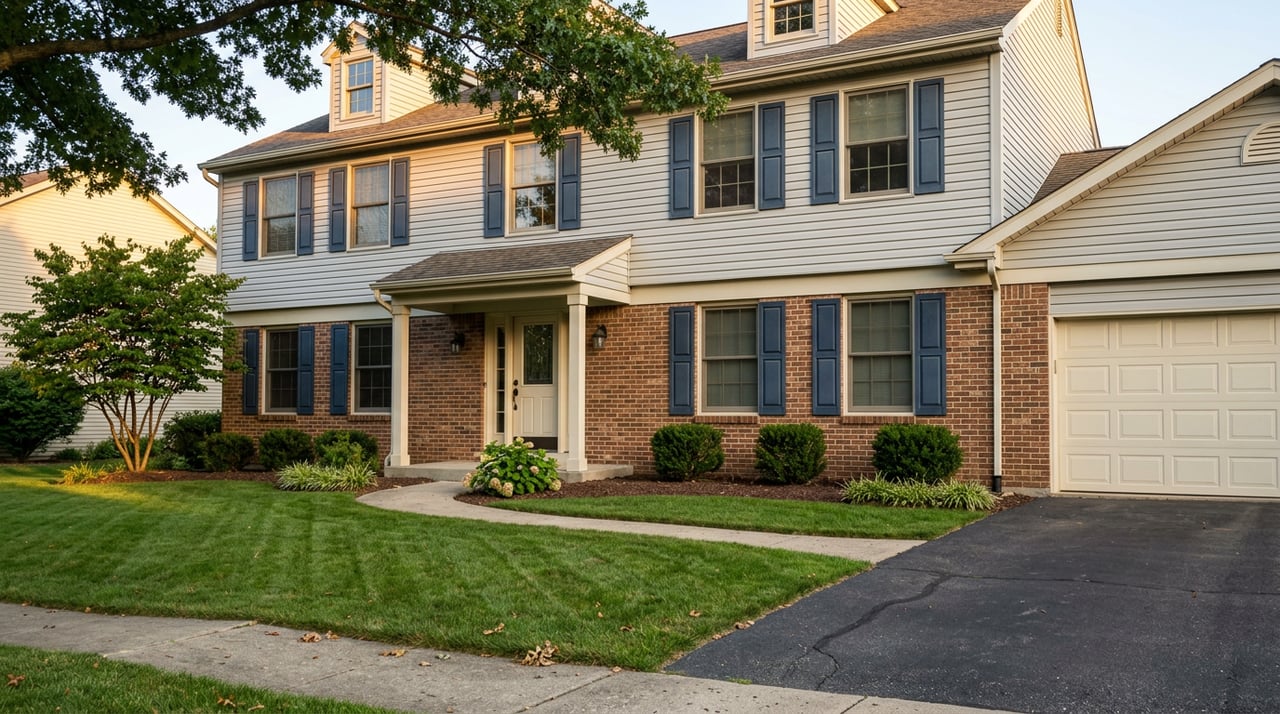
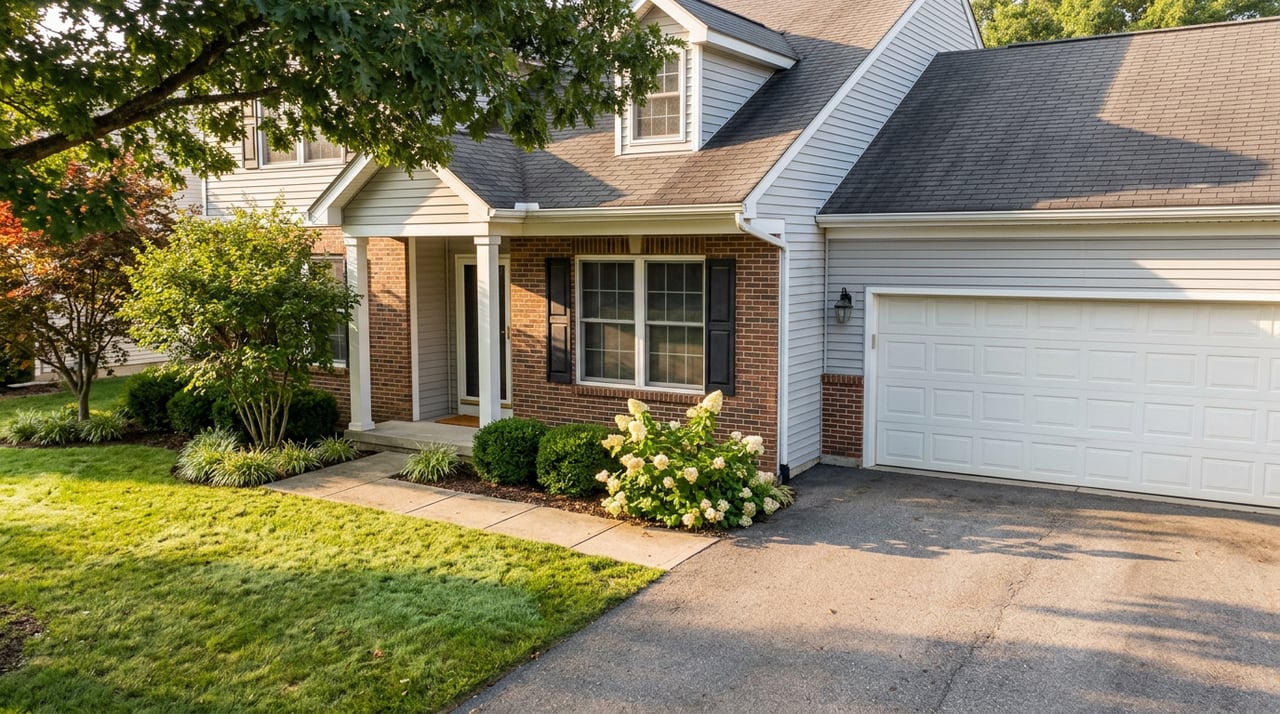
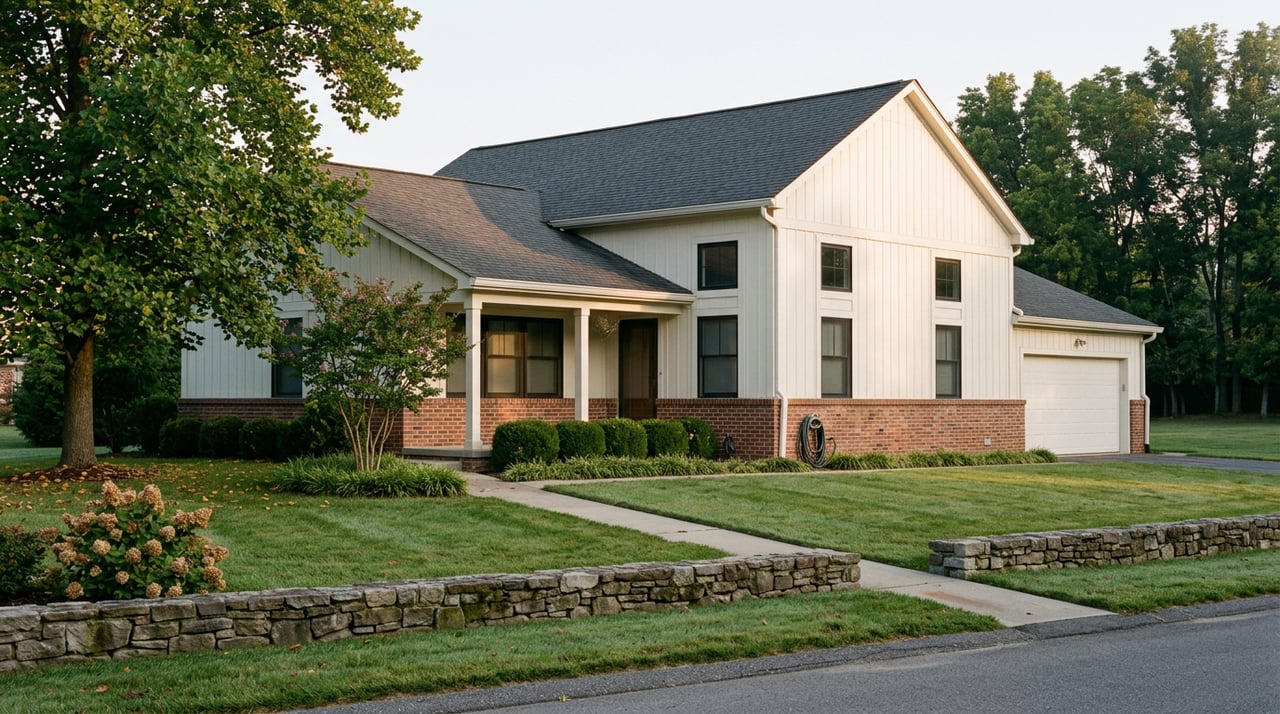
The housing experience can vary depending on which part of town you choose. Near Old Town, you may be drawn to historic character, walkable access, and the feel of established neighborhoods. In surrounding areas, the appeal may shift more toward larger lots, a quieter setting, and closeness to the preserved open-space character that defines Fauquier County.
For buyers, that mix creates options. You can focus on charm and proximity to downtown, or you can prioritize room, views, and a more rural edge while still keeping town services close by. The key is understanding how your daily routine lines up with the part of Warrenton that best fits your goals.
Schools and Everyday Services
Fauquier County Public Schools serves 10,882 students across 19 schools, and several schools and district offices are located in Warrenton. For households that want access to public school facilities within town, that is a practical part of the local picture. It also reinforces Warrenton’s role as a county seat with important day-to-day services nearby.
Beyond schools, Warrenton’s identity as the county seat means it functions as more than a quiet residential town. It combines local government, services, shopping, recreation, and community gathering places in one area. That makes it easier to enjoy a smaller-town environment without feeling disconnected from the basics of daily life.
Who Warrenton May Fit Best
Warrenton can be a strong fit if you want a lifestyle that feels more grounded and spacious than a typical dense suburb. Buyers who value a real downtown, preserved character, and nearby outdoor access often connect with the town right away. It can also appeal to people who want a home base with a little more breathing room while still staying linked to major routes.
If you are relocating within Northern Virginia, Warrenton may feel like a lifestyle trade-off in the best sense. You may give up some of the density and fast pace of closer-in areas, but you gain scenery, open space, and a more relaxed day-to-day rhythm. For many buyers, that shift is exactly the point.
Sellers can benefit from understanding this lifestyle story too. Buyers are often drawn to Warrenton not just for a house, but for the broader experience of living in a town with history, parks, local events, and open land around it. Positioning a home within that context can help it resonate more clearly with the right audience.
What to Consider Before You Move
Like any market, Warrenton works best when your priorities are clear. If you want nightlife, dense urban walkability, or the fastest possible access to the innermost D.C. suburbs, this may not be the right fit. But if you value space, a recognizable town center, and easier access to outdoor destinations, Warrenton offers a compelling alternative.
It also helps to think about where in town you want to be. A home near Old Town can offer easier access to shops, events, and the farmers market, while other parts of the area may deliver more privacy or a stronger rural-edge feel. Your best choice depends on whether you picture your daily life centered around downtown convenience, open-space surroundings, or a balance of both.
That is where local guidance matters. A town like Warrenton has personality, and the differences from one area to another can shape your experience more than broad market stats alone. Taking time to match your routine, commute, and home goals to the right part of town can make all the difference.
If you are exploring Warrenton as your next move, having a local guide can help you sort through the trade-offs with confidence. Whether you are buying your first home, moving up for more space, downsizing, or preparing to sell, Ally Goldwater brings a warm, practical approach and local Northern Virginia insight to help you make a smart move.
FAQs
What is daily life like in Warrenton, Virginia?
- Daily life in Warrenton centers around a historic downtown, local shops and restaurants, a seasonal farmers market, parks, and convenient road access, with a quieter and more open feel than many closer-in Northern Virginia suburbs.
What makes Warrenton, Virginia feel like a small town?
- Warrenton’s population of just over 10,000, its preserved Old Town area, brick sidewalks, historic district, and community-focused downtown all contribute to its small-town feel.
What outdoor amenities are available in Warrenton, Virginia?
- Warrenton offers the 2.2-mile paved Greenway Trail at Depot Park, the WARF recreation complex, and access to nearby regional destinations such as Sky Meadows State Park, Shenandoah National Park, and C.M. Crockett Park.
What should homebuyers know about housing in Warrenton, Virginia?
- Homebuyers should know that Warrenton includes both historic-core housing and areas with a more spacious rural-edge feel, and that homes in the Historic District may require approval for exterior changes.
Is Warrenton, Virginia convenient for commuting?
- Warrenton is connected by Routes 15, 17, 29, and 211, and Census data show a mean travel time to work of 31.5 minutes, making it a practical option for many buyers balancing commute needs with a quieter home setting.
Are there public schools in Warrenton, Virginia?
- Yes. Fauquier County Public Schools serves 10,882 students across 19 schools, and several schools and district offices are located in Warrenton.