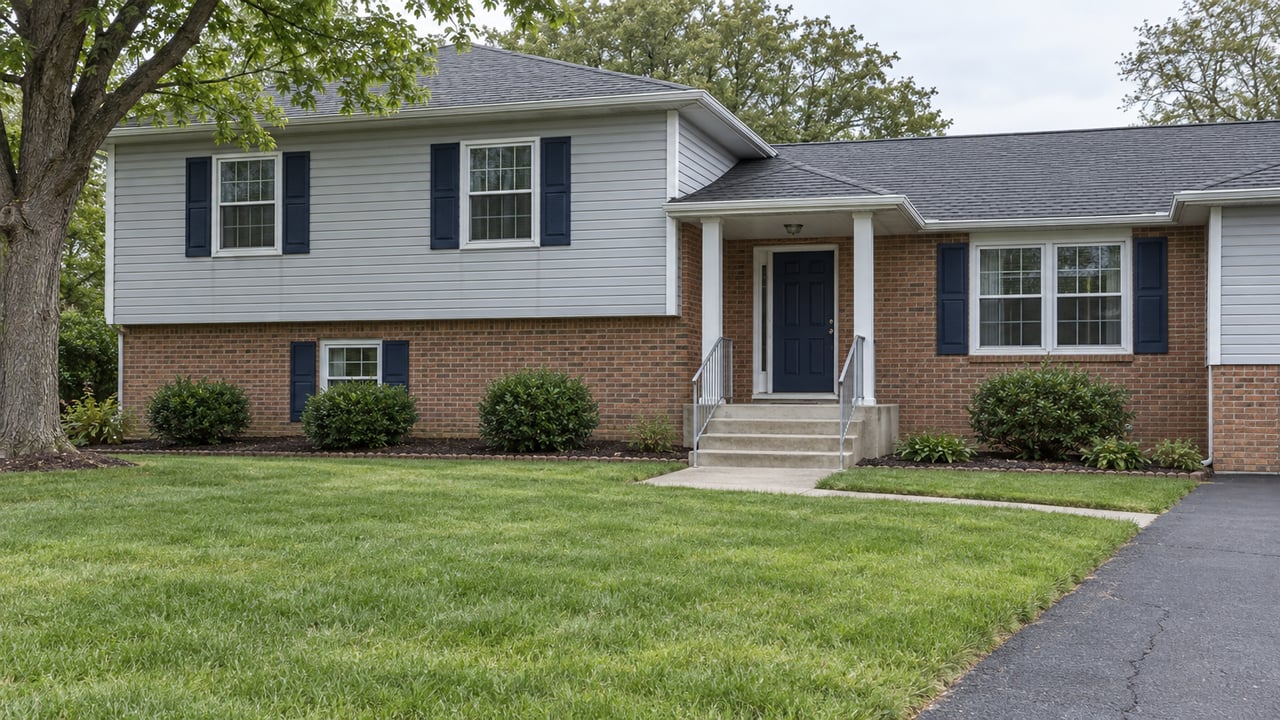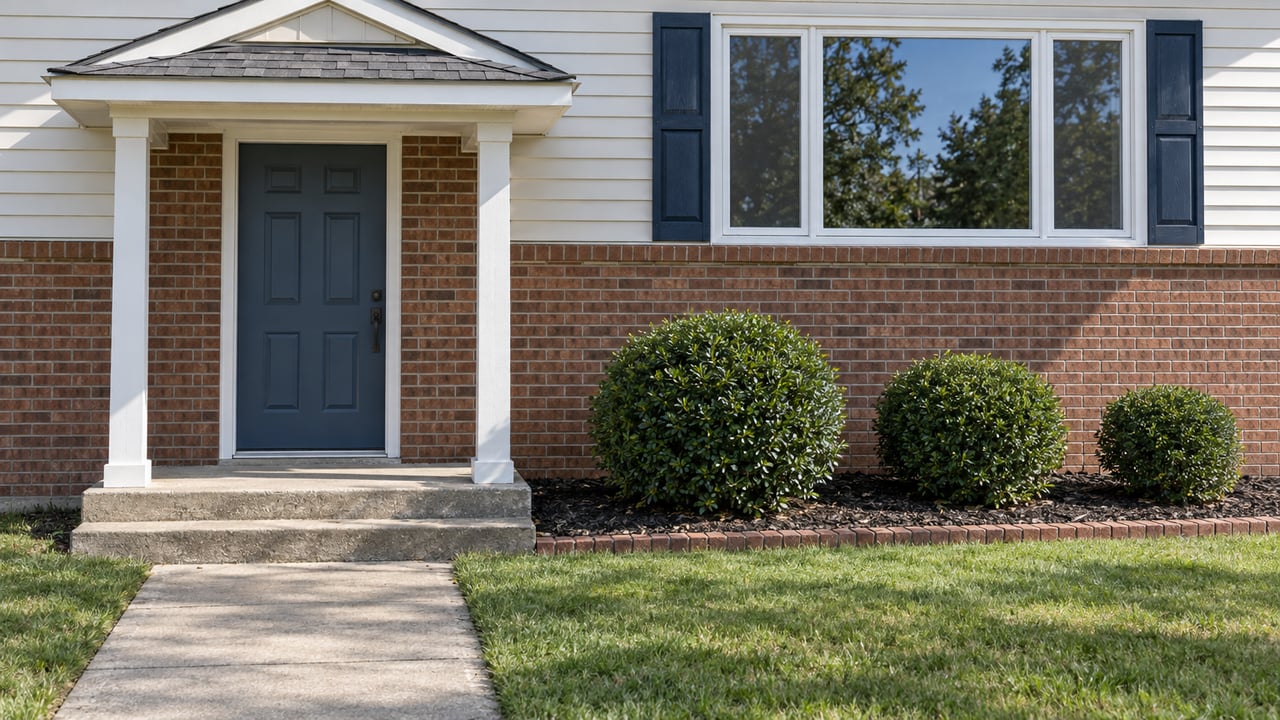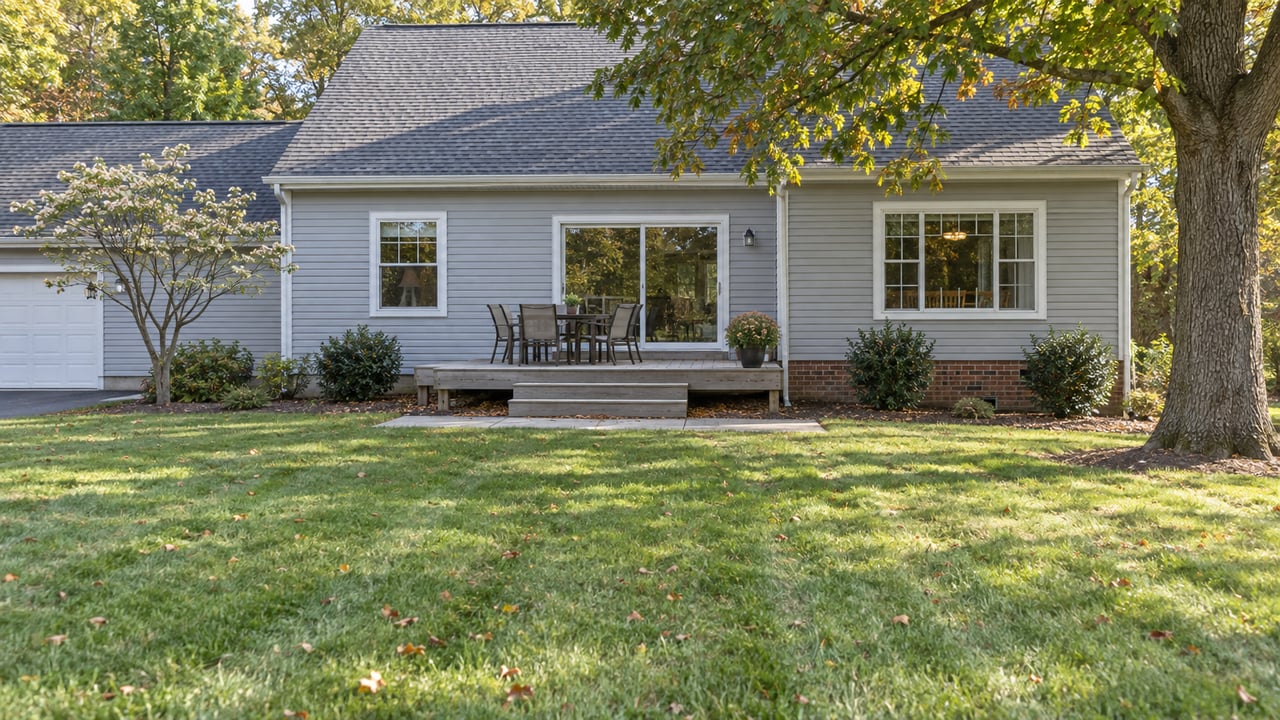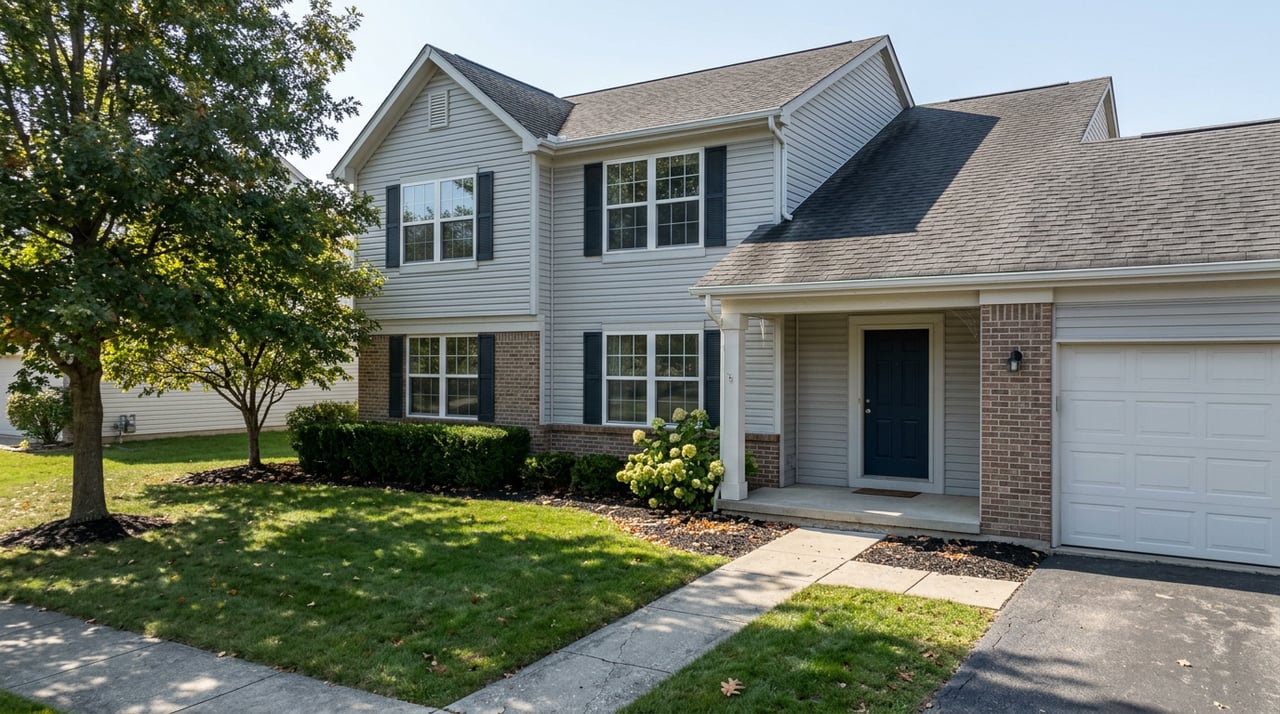
If you are selling a country or equestrian property in Warrenton, you are not just selling a house. You are selling land use, daily function, access, privacy, and a lifestyle that appeals to a more specialized buyer. That can feel like a lot to organize, especially when barns, fencing, wells, septic systems, and zoning details all matter. The good news is that with the right preparation and marketing plan, you can present your property clearly and confidently. Let’s dive in.
Why Warrenton country properties sell differently
Warrenton sits in Fauquier County, an area widely associated with Virginia’s Horse & Wine Country. Local planning priorities emphasize preserving rural character, open space, scenic beauty, and agricultural land, which helps explain why country and equestrian properties are marketed differently than a typical suburban home.
That local context matters because many properties with acreage near Warrenton are not actually inside the Town of Warrenton. If a property is inside town limits, town zoning applies. Many horse properties and larger parcels, though, are in unincorporated Fauquier County, where county rules and land-use considerations often shape how the property is used and how it should be presented to buyers.
Know your likely buyer
A buyer for a country or equestrian property is often looking beyond kitchen finishes and paint colors. In Fauquier County, the local agricultural economy and horse industry include boarding, training, breeding, lessons, and competition-related uses. That means your buyer may be a horse owner, trainer, hobby farmer, or someone specifically seeking acreage and open-space character.
For that reason, your marketing should answer a practical question early: How does this property work day to day? Buyers want to understand whether the land, layout, and improvements support the way they plan to live, keep animals, or manage the property.
Highlight the land, not just the house
For many acreage buyers, the land is every bit as important as the residence. Usable pasture, paddock layout, dry-lot space, water access, drainage, trailer movement, and equipment access can all shape value and buyer interest.
If you own a horse property, buyers may pay close attention to features such as fencing safety, gate width, pasture condition, barn setup, feed and tack storage, and whether turnout areas stay usable in wet conditions. Guidance cited in the research shows that paddock layout and rotational grazing can support pasture health, dry lots should offer enough space per horse, perimeter fencing should be appropriately sized, and low spots that collect water can create functional issues.
That is why a strong listing strategy should show the whole property as a working system, not just the interior rooms.
Features buyers want to see
- Pasture and paddock layout
- Barn exterior and interior
- Number and condition of stalls
- Tack and feed storage areas
- Fence type and condition
- Arena or round pen, if present
- Trailer turnaround and equipment access
- Water sources and drainage patterns
- Driveway approach and entrance
- Views, privacy, and open land character
Start with zoning and use details
One of the biggest mistakes sellers can make is assuming every outbuilding or use is self-explanatory. In Fauquier County, zoning approval is required before new structures are built and before grading, land disturbance, or a new use begins. While some small agricultural structures may qualify for limited permit exceptions, they still must meet rules like setbacks and floodplain requirements.
This is especially important for barns, sheds, fences, and other rural improvements. County guidance notes that livestock and crop structures are treated as barns, and fences may not need permits in many cases, but height and placement can still matter depending on the property and any additional approvals tied to the land.
When you prepare to list, it helps to verify what exists, how it has been used, and what documentation supports it. Clear records can reduce buyer hesitation and make your property easier to evaluate.
Check land-use status before listing
In Fauquier County, land-use status can be a major part of the conversation. The county’s Use Value Assessment Program allows qualifying agricultural, horticultural, forest, and open-space land to be taxed at use value instead of market value. That can be meaningful to buyers, but a change to a nonqualifying use may trigger rollback taxes.
Some properties may also be part of an Agricultural and Forestal District. These districts can affect subdivision options because parcels generally must be at least 25 acres to join, and once included, lots under 50 acres usually cannot be subdivided out except in limited situations.
If your property has any land-use taxation, district participation, or similar status, buyers need clear and accurate information. This is not a detail to leave vague in the listing process.
Understand easements and preservation limits
Conservation is a major part of Fauquier County’s landscape. The county reports that many residents use conservation easements, and local preservation programs have protected substantial acreage. That is one reason buyers often value privacy, scenery, and open-space character so highly in this market.
If your property is subject to a conservation easement or part of a Purchase of Development Rights program, gather those documents before the home goes live. These tools can affect future subdivision, development, and property use, so they should be explained clearly and early.
For the right buyer, conservation status may support the property’s appeal. But the key is making sure expectations are aligned from the start.
Organize well and septic records
Many country properties rely on private wells and onsite sewage systems, so records matter. The Rappahannock-Rapidan Health District says county health departments maintain records for private wells and onsite sewage systems, and Fauquier property owners can request septic and well records through the local health department.
Virginia’s Department of Health also notes that the state does not require well inspections or water testing for a property transfer, though lenders or local governments may require them. Because private wells are the owner’s responsibility, keeping water-test results, permits, maintenance records, and related correspondence can help answer buyer questions quickly.
Documents worth gathering early
- Current plat or survey
- Well log
- Water-test results
- Septic permit records
- Septic maintenance records
- Health department correspondence
- Farm-use proof, if applicable
- Conservation easement or PDR documents
A current plat or survey can be especially useful if it shows boundaries, access, setbacks, outbuildings, and well or septic locations.
Prepare the property for marketing
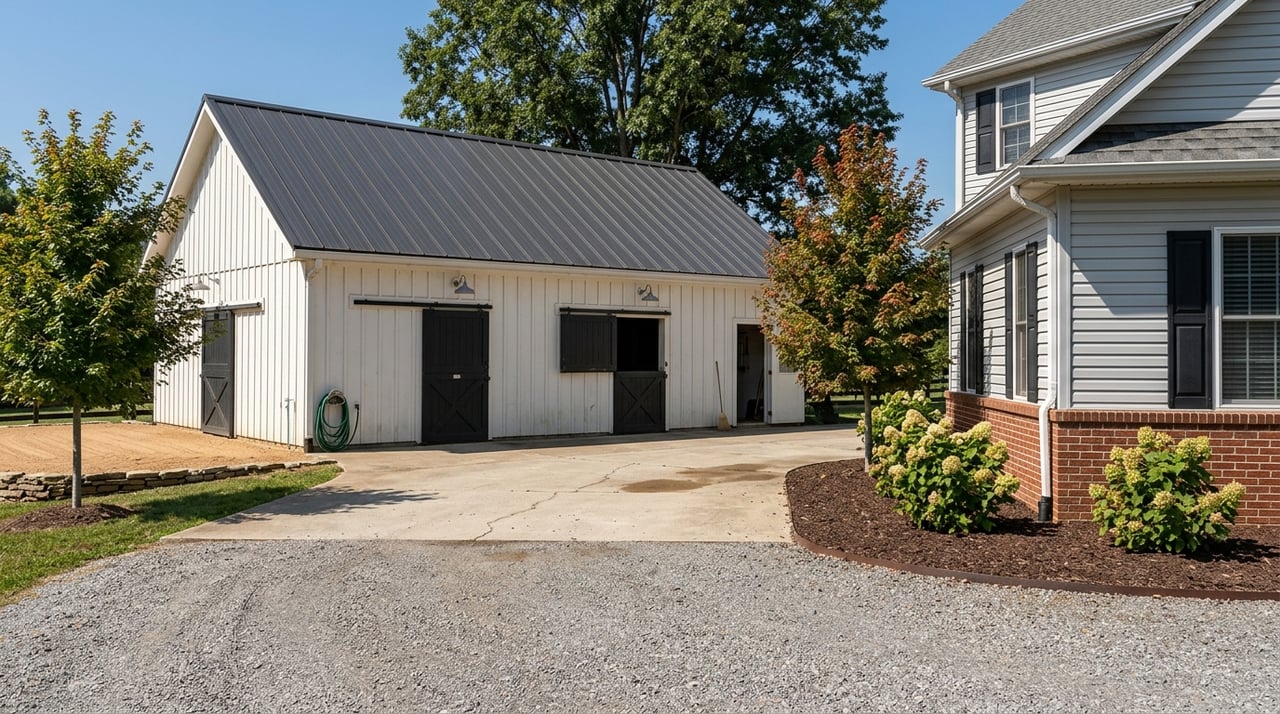
Good marketing starts with good preparation. Because photos and video are now standard parts of the home search process, it is worth taking the time to clean up not only the main house but also the barn, run-in sheds, storage areas, fence lines, and approach to the property.
Country buyers often look closely at the practical details. A tidy feed room, organized tack area, mowed paths, trimmed entrance, and clear paddock lines can help buyers understand the property faster. If the property is turnkey, that should be obvious in the first set of photos.
Privacy also matters. As you prepare for showings and media, remove personal items and think through what you want visible in barns, workshops, or equipment areas.
Use visuals that explain the property
Professional visuals are especially important for acreage and equestrian listings. Research cited here notes that buyers respond strongly to listing photography, traditional staging, video tours, and virtual tours. For rural properties, drone imagery is especially useful because it shows the land, outdoor features, access points, and how the property relates to surrounding acreage.
In many cases, aerial images do what words cannot. They help a buyer understand the driveway approach, pasture boundaries, paddock arrangement, barn placement, and open-space setting in just a few seconds.
Most useful listing visuals
- Drone images of the full parcel
- Front approach and driveway shots
- Wide views of fields and turnout areas
- Barn and stall photos
- Arena, round pen, or riding space
- Gate and trailer access points
- House-to-barn relationship
- Seasonal views and tree lines
Tell the story of daily use
The best marketing for a Warrenton country property is practical, not flashy. Buyers want to picture an ordinary day on the property. Can they pull in with a trailer easily? Is there enough room for equipment? How does turnout flow from the barn? Where is feed stored? How close are the paddocks to the house?
This is where thoughtful listing copy and a smart showing strategy really help. Instead of focusing only on finishes, your sale strategy should show how the home, land, and structures work together.
That approach also fits this market well. In Fauquier County, the property’s function, legal status, and land characteristics may matter just as much as interior updates.
Price and present with the right strategy
A country or equestrian property often needs more than a standard listing template. The buyer pool is narrower, and the questions are more specific. That means your pricing, documentation, and marketing package all need to work together.
This is where a hands-on, education-first approach can make a real difference. When you have strong visuals, organized records, and a clear explanation of zoning, land-use status, and improvements, buyers can make better-informed decisions. That usually leads to stronger interest and smoother conversations once your property hits the market.
Selling a rural or equestrian property in Warrenton is rarely about putting a sign in the yard and waiting. It is about presenting the full value of the land, the infrastructure, and the lifestyle in a way that feels clear, credible, and easy to understand.
If you are thinking about selling a country or equestrian property in Warrenton, working with someone who understands both the practical details and the marketing side can help you put your best foot forward. Ally Goldwater brings a warm, hands-on approach to preparing, positioning, and marketing distinctive Northern Virginia properties.
FAQs
What makes selling an equestrian property in Warrenton different from selling a suburban home?
- In Warrenton and Fauquier County, buyers often evaluate the land, barn, fencing, access, water, drainage, and land-use details as closely as they evaluate the house itself.
What documents should you gather before listing a country property in Fauquier County?
- Helpful documents include a current plat or survey, well and septic records, water-test results, farm-use documentation if applicable, and any conservation easement or PDR paperwork.
What zoning details matter when selling rural property near Warrenton?
- You should confirm whether the property is inside the Town of Warrenton or in unincorporated Fauquier County, because zoning rules differ and can affect structures, land use, and future buyer plans.
What do horse-property buyers usually want to see in listing photos?
- Buyers typically want to see the barn, stalls, tack and feed storage, paddocks, pasture layout, fencing, arena or round pen, driveway access, and aerial views that explain the full property.
What should you disclose about land-use taxation or conservation status in Fauquier County?
- If the property is in use-value assessment, an Agricultural and Forestal District, or subject to a conservation easement or PDR restrictions, you should have those details ready because they may affect taxes, subdivision, and future use.