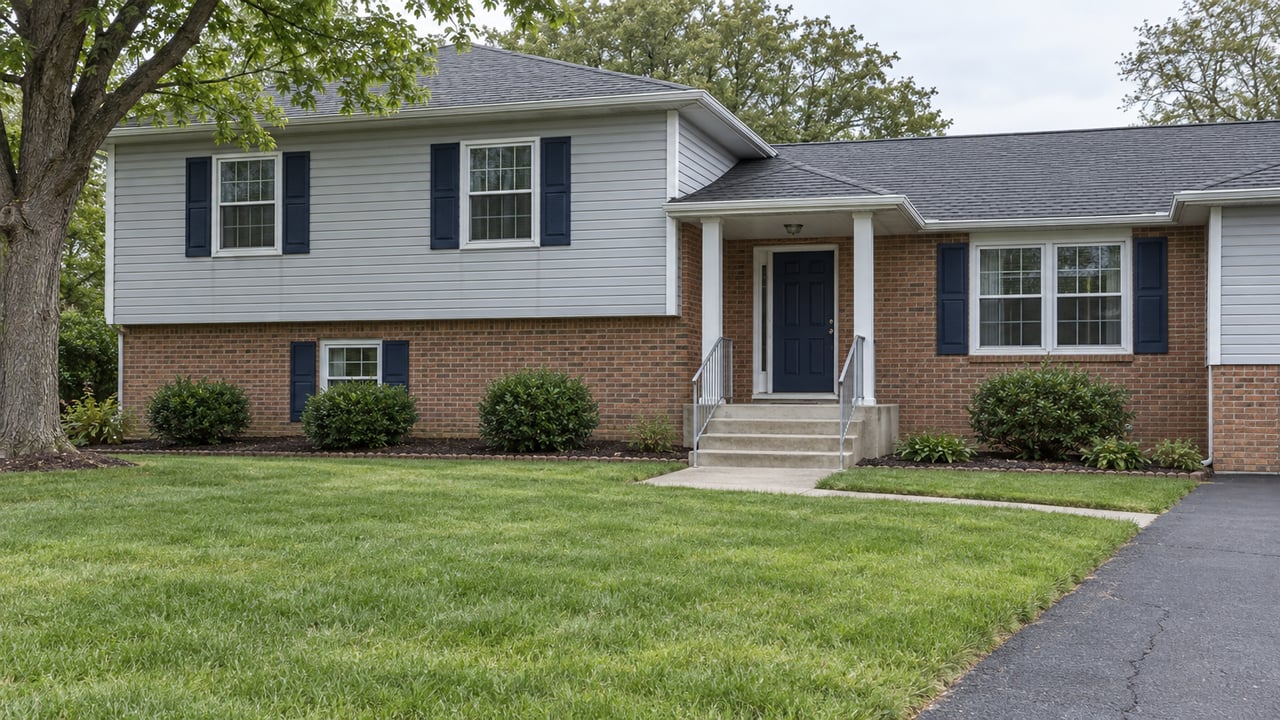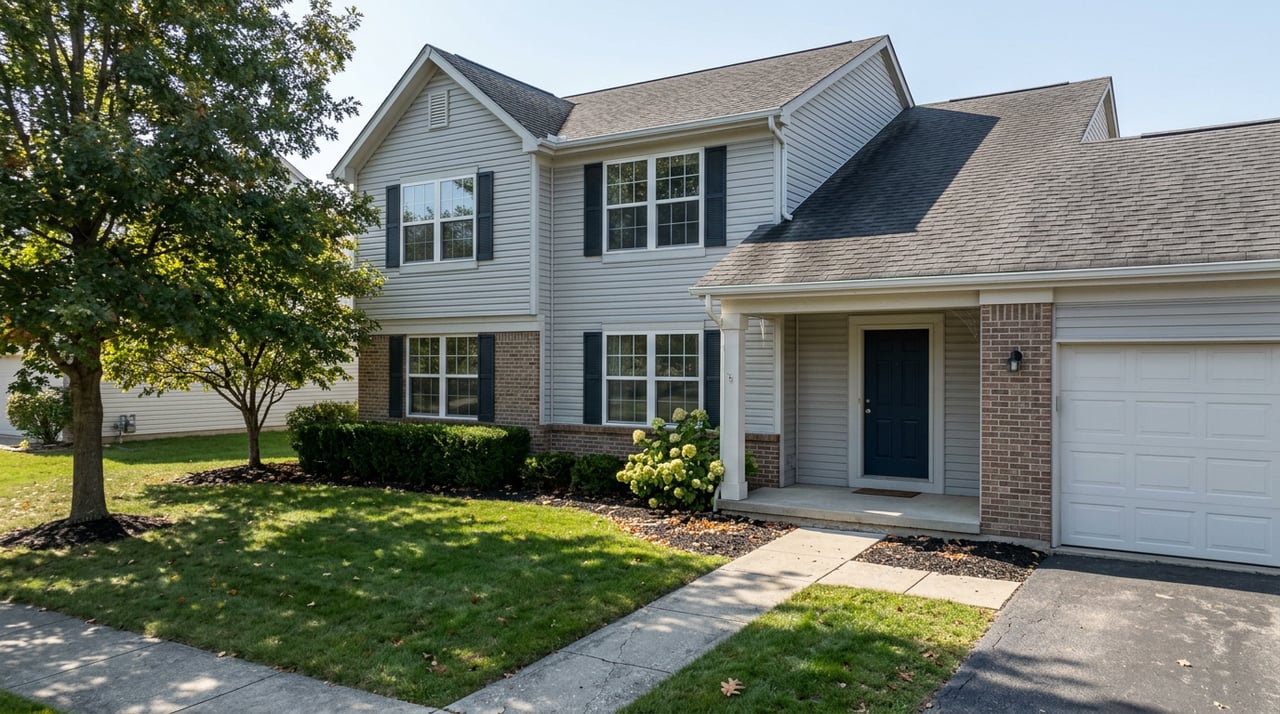
Thinking about a brand-new home in Manassas 20112, but unsure where to start? New construction can be exciting, but the process, timelines, and contract details can feel overwhelming. You want clarity on upgrades, inspections, and who is actually on your side. In this guide, you’ll learn how new builds work in Prince William County, where to look locally, what to ask at every step, and how to protect your budget and timeline. Let’s dive in.
Why buy new in 20112
Manassas and nearby Prince William County offer a steady flow of new-home options from national and regional builders. You’ll see familiar names like Ryan Homes, D.R. Horton, Lennar, Pulte, and Stanley Martin. You can scan current Manassas-area builder activity through resources such as NewHomeSource.
Local examples include Ryan Homes’ Independent Hill in Manassas, along with townhome and condo communities marketed to Manassas buyers in adjacent areas. If you want to preview a nearby community example, explore Ryan Homes’ Independent Hill to get a feel for floor plans and features.
Quick move-in vs to-be-built
New construction usually follows one of two paths:
- Quick move-in or spec homes. These are built or nearly complete. You trade fewer design choices for faster delivery and sometimes better pricing leverage.
- To-be-built homes. You select a lot, floor plan, and finishes, then the builder constructs the home after contract. You get more control over design, but timelines and budgets require careful management.
Industry data shows many single-family builds finish in about 7 to 10 months after permitting, depending on the product and market. Production homes tend to run faster than custom builds. Ask for the builder’s recent average build times for your specific plan. For context, see recent timing trends in ProBuilder’s analysis.
First visit: who represents you
When you walk into a model home, the onsite sales rep represents the builder. They are friendly and helpful, but their job is to protect the builder’s interests. If you want your own advocate, decide on your buyer’s agent before your first visit and register them with the builder right away. Learn why this matters in this overview on bringing your own agent to new construction.
Post-2024, many MLSs require written buyer-broker agreements, and compensation is no longer advertised in MLS fields. It is smart to agree in writing with your agent about services and compensation before touring models. Review a summary of these updates from NAR’s 2024 MLS changes.
Builder contracts and deposits
Builder purchase agreements are proprietary and usually favor the builder. Expect detailed language on change orders, scheduling, remedies, and arbitration. Ask to review the full draft early, including allowance schedules and any exhibits. For smart questions to bring up, use this helpful guide on what to ask a new-home builder.
Deposits vary widely. Some builders collect a lot reservation fee, then staged deposits that may total a small percentage of the price. Others collect more upfront. The key is to get the exact deposit schedule and refund rules in writing before you sign. Ask for paragraph numbers in the contract so you can reference them later.
Design center: included vs upgrades
Design centers are where you will choose finishes and options. They are also a major profit center for builders. Before your appointment, request:
- A written list of what is included in the base price
- The full upgrade menu with pricing
- Deadlines for making selections and change fees if you adjust later
Some upgrades offer fair value, while others carry a premium. A pricing-aware agent can help you weigh which upgrades add enjoyment and future resale value. For more context, see these key builder questions.
Permits, inspections, and timing in Prince William
In Prince William County, builders file plans and permits through the county’s ePortal. County plan reviews, inspections, and final approvals are required steps before you can move in. If you want to understand the process at a high level, the county shares plan review requirements and ePortal guidance in this Building Development Division document.
Beyond the county inspections, schedule your own independent inspections. Common checkpoints are pre-drywall and final, plus an 11-month check before the workmanship warranty expires. Third-party inspections help catch issues that are hidden after drywall goes up. Many local providers share helpful checklists, like this new-construction inspection overview. Budget for these fees early so you are not tempted to skip them.
When you discuss timing with the builder, ask for the recent average build time for your specific plan and community. If supply, weather, or labor issues arise, confirm in writing how delays are handled. For broader timing context, see ProBuilder’s report on recent build speeds.
Financing and incentives
Many production builders offer incentives if you use a preferred or in-house lender, such as closing cost credits or rate buydowns. Ask for full written terms, including any lender fees, and whether incentives still apply if you use an outside lender. Here are smart questions to ask builders about financing.
If your purchase requires construction financing, you might look at a one-time-close construction-to-permanent loan. These loans fund draws during construction, then convert to a standard mortgage at completion. Read an overview of one-time-close options through this FHA resource. Ask your lender to explain draw schedules, interim interest, and how the appraisal works for the as-completed home.
Warranties, HOAs, and closing day
Most production builders provide tiered coverage often described as a 1-2-10 warranty. This typically means one year of workmanship, two years of systems, and 10 years of structural coverage. Many structural warranties are insured and can be transferable. Request the full warranty booklet and confirm who administers it. For a quick primer on how these programs work, see 2-10 Home Buyers Warranty’s FAQs.
If your community has an HOA or master association, ask for the full covenant package early. Review the rules, fees, budgets, and any mention of special assessments. Understand how dues and policies may affect your monthly costs and future resale.
As you approach settlement, the builder will schedule a final walk-through to create a punch list, and will coordinate closing once county inspections are complete and a Certificate of Occupancy is issued. County final inspection and occupancy steps are outlined in the Prince William process overview. Confirm what you will receive at closing, such as warranty documents and manuals.
Red flags to watch for
- Very large, nonrefundable deposits without a clear refund schedule.
- Refusal to allow independent pre-drywall and final inspections.
- Vague completion timelines with no remedy or credit language.
- Warranty language that does not clearly state who administers or insures structural coverage.
If you see any of these, pause and get answers in writing before you proceed.
Your Manassas new-build checklist
Bring these questions to the model or design center:
- Who does the sales rep legally represent, and can I get that in writing? Review why representation matters in this new-construction representation guide.
- Can I review a sample purchase contract and the design center price list now? What is included vs an upgrade, and when are selections due? See key questions to ask a builder.
- What is the exact deposit schedule and when is each portion refundable? Please note the paragraph number in the contract.
- What has been the average build time for this plan over the last 12 months, and what remedies are offered if completion is delayed? For market-wide timing context, see recent build-time trends.
- Is there a third-party structural warranty, who administers it, and is it transferable? Review structural warranty basics.
- Can I schedule independent inspections at pre-drywall and at final? Here is an inspection checklist overview.
- Do incentives require using a preferred lender, and what are the precise terms and fees? Reference these questions to ask about financing.
- If there is an HOA, may I review the declaration, budget, rules, and any pending assessments?
Ready to tour new builds in 20112?
If you want a clear plan for site visits, registration rules, contracts, and design choices, you do not have to go it alone. I help you prepare the questions, compare communities, and protect your timeline and budget from day one. When you are ready to walk models or weigh quick move-in options, let’s talk about a step-by-step plan that fits your goals.
Let’s connect with Ally Goldwater to get started.
FAQs
How does new construction in Manassas 20112 differ from resale homes?
- You choose between quick move-in or to-be-built, work from a builder-specific contract, make design-center selections, follow county permit milestones, and close after final inspections and a Certificate of Occupancy.
Who does the model home sales rep represent in Prince William County?
- The onsite rep represents the builder, not you, so bring and register your own buyer’s agent at your first visit to secure representation and clarify compensation early.
What is a typical build timeline for a new home near Manassas?
- Many production single-family builds complete in roughly 7 to 10 months after permitting, but timelines vary by plan and community, so always request recent averages in writing.
Which inspections should I schedule for a new build in 20112?
- Plan for independent pre-drywall and final inspections, then an 11-month check before the workmanship warranty expires so you can document and address items on time.
What should I know about builder warranties and HOAs in Manassas communities?
- Many builders provide a 1-2-10 warranty structure; ask for the booklet and administrator details, and if there is an HOA, review the declaration, budget, rules, and any special assessments early.