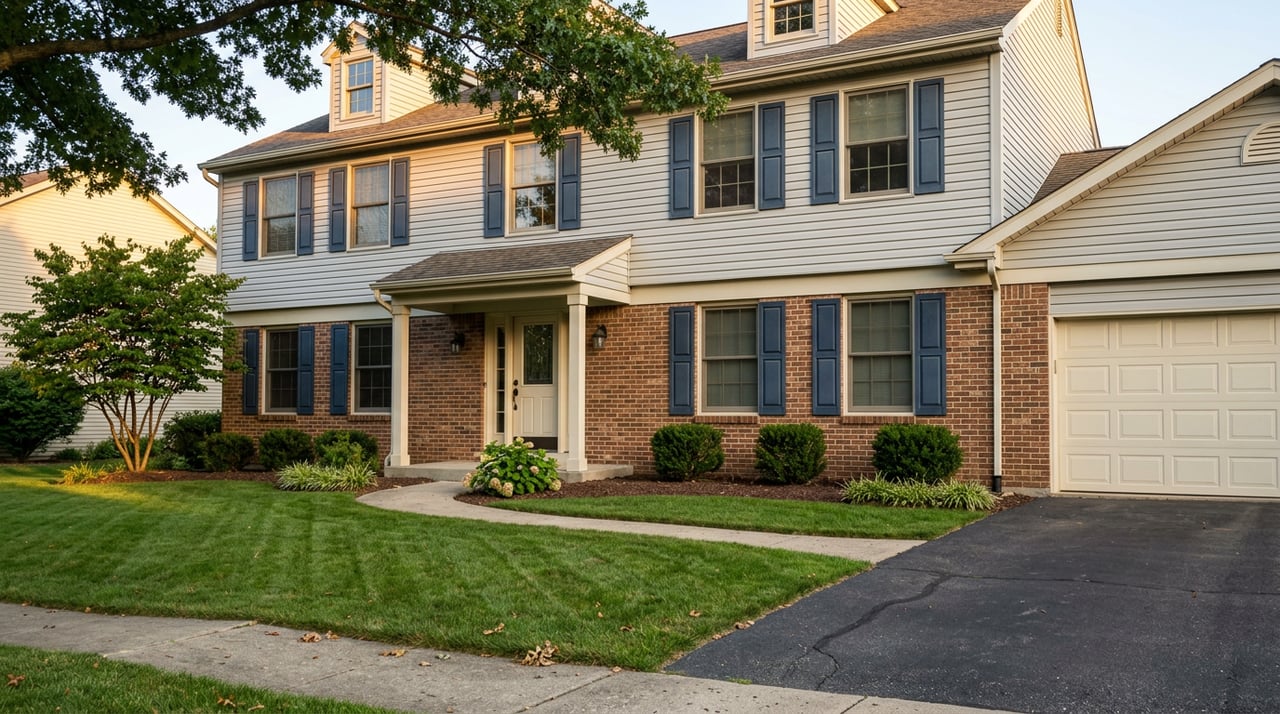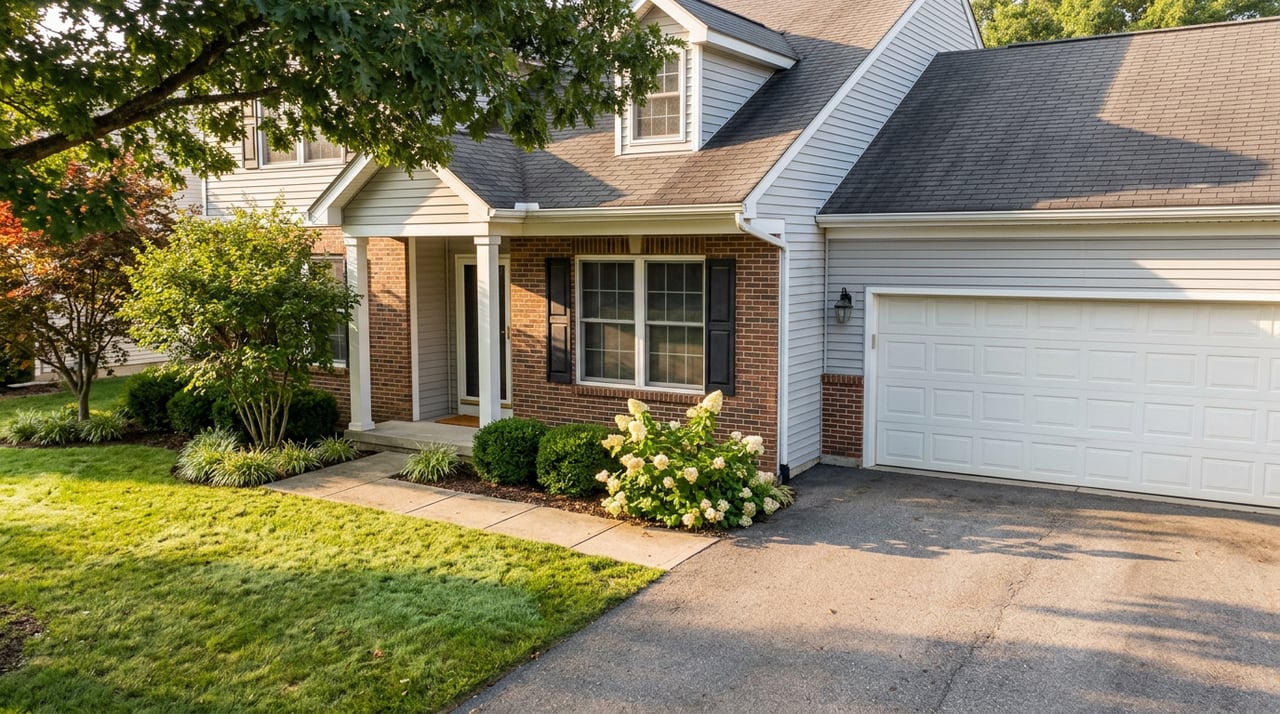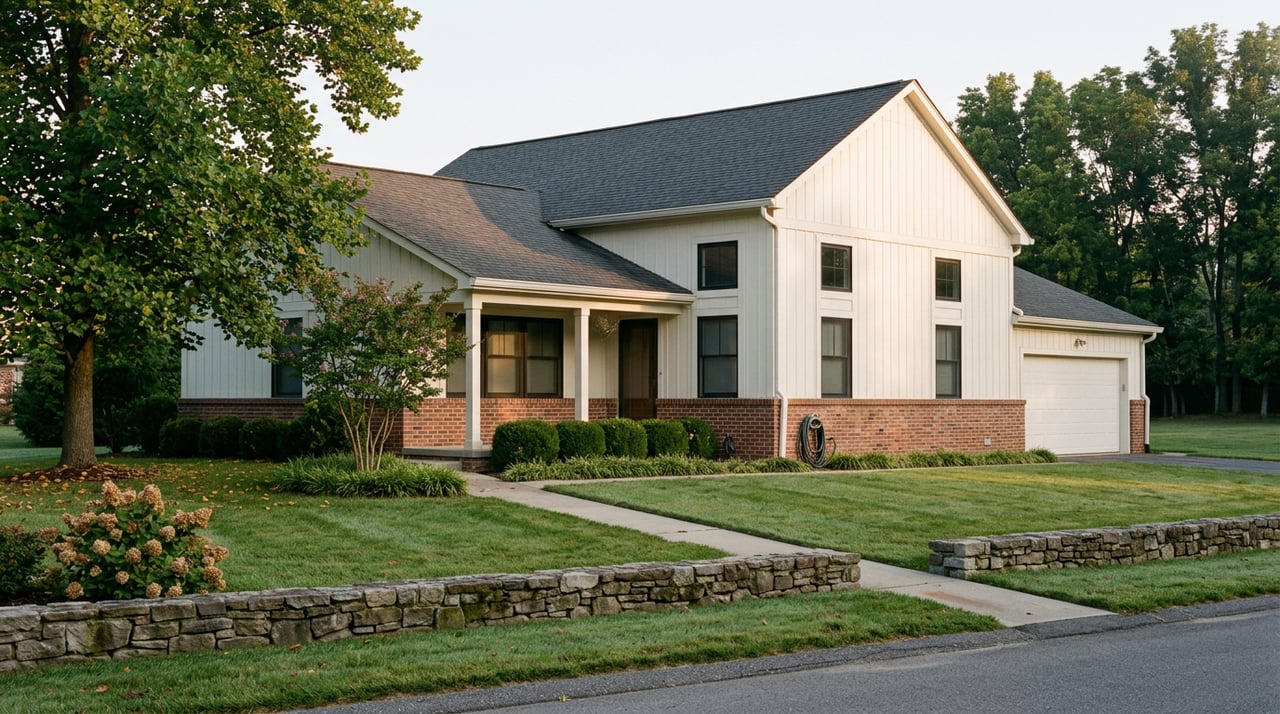

Thinking about buying your first place in Herndon and worried about the monthly payment? House hacking can help you offset your mortgage by renting part of your home while you live there. It is a practical way to get into the market sooner, build equity, and learn the basics of being a landlord at a manageable scale. In this guide, you will learn proven strategies that work in Herndon, the local rules to check, financing options, and a clear first-step plan. Let’s dive in.
What house hacking is
House hacking means you live in the property and rent out a portion to reduce your housing costs. Common models include:
- Renting individual bedrooms in a single-family home
- Creating or using a basement suite or accessory dwelling unit
- Buying a 2 to 4 unit property and living in one unit
- Purchasing a condo or townhome and renting spare bedrooms or, if allowed, the unit
In Herndon, you will find many single-family homes and townhomes, and a smaller supply of small multifamily properties. Demand across Northern Virginia is shaped by strong regional employment and transit access, including the Silver Line stations that serve the Herndon and Reston area. Those factors influence rent potential for rooms and full units.
Popular strategies in Herndon
Rent by the room
If you buy a single-family home or townhome, renting one or two bedrooms can meaningfully lower your monthly costs. Focus on clear house rules, parking plans, and a written lease for each tenant. Always confirm HOA rules first if the property is in an association.
Basement suite or ADU
A finished basement or accessory dwelling can work well if local zoning allows it and the space meets building and safety codes. Expect requirements like proper egress windows, ceiling height, fire separation, and permitted electrical and plumbing work. This path often feels more private for both you and your tenant.
2 to 4 units with owner occupancy
Buying a duplex, triplex, or fourplex lets you live in one unit and rent the others. Supply is limited in many Herndon neighborhoods, but this structure can produce the most stable income. Confirm zoning for the specific parcel and coordinate early with your lender on program rules.
Condo or townhome with rentals
Some communities allow roommates or full-unit rentals, while others cap or restrict them. Read the HOA or condo documents for rental caps, minimum lease terms, and any required approvals. A strong understanding of these rules will protect your plan and your resale.
Herndon rules: zoning, permits, and HOAs
Local rules determine what is possible at a given address. In Herndon, the key first step is to confirm the property’s jurisdiction and then verify what is allowed.
Your local checks
- Identify the jurisdiction. Confirm whether the home is inside the Town of Herndon limits or in Fairfax County outside town limits.
- Review zoning and permitted uses. Learn whether ADUs or accessory rentals are allowed by-right, require approval, or are prohibited for the parcel.
- Confirm building and permit needs. Basement or garage conversions usually need permits and inspections under the Virginia Uniform Statewide Building Code.
- Clarify utilities and meters. Ask local utility providers about metering, sub-metering, or acceptable cost-sharing approaches.
- Verify parking requirements. Some zones have minimum off-street parking that can limit the number of bedrooms or units you rent.
- Read HOA or condo documents. Look for rental caps, minimum lease terms, registration steps, and guest or parking rules.
- Check landlord registration or business licensing. Ask the Town of Herndon and Fairfax County if any landlord registrations, licenses, or inspections apply.
- Review short-term rental rules. Short-term rentals are often regulated differently than long-term leases and may be restricted by local ordinances or HOAs.
Financing your house hack
Owner-occupant loans often offer the best terms for house hacking if you plan to live in the home as your primary residence.
- FHA loans. Common for lower down payments and can allow 2 to 4 unit purchases when you live in one unit. FHA may permit room rentals in a single-family home. Condos typically must be project-approved for FHA financing.
- VA loans. For eligible service members and veterans, VA financing can allow up to 4 units with favorable terms, subject to occupancy requirements.
- Conventional loans. Programs such as Fannie Mae HomeReady and Freddie Mac Home Possible cater to low to moderate income buyers and may count projected rental income under specific rules. Standard conventional investor loans usually require higher down payments.
- Virginia programs. State assistance through Virginia Housing may help with down payment and local mortgage products, subject to eligibility.
Ask lenders early about occupancy requirements, minimum down payment, whether projected rent can be used to qualify, and condo project eligibility. Get a preapproval that reflects your intended rental plan so any limits appear before you make offers.
Build a simple pro forma
Before you buy, sketch out a 12 to 24 month plan that reflects realistic income and expenses.
- Income. Market rent per bedroom or per unit based on local comps.
- Vacancy. A 5 to 10 percent allowance is a common starting assumption.
- Expenses. Property taxes, insurance, utilities you cover, maintenance, repairs, HOA dues, property management, and replacement reserves.
- Debt service. Principal and interest and any mortgage insurance.
Sources for rent comps include the local MLS through your agent, as well as major rental data providers. Comparing room-by-room rents to full one-bedroom and two-bedroom rents can clarify which approach fits your property best.
Operations and compliance basics
Tenant selection and leases
Screen every applicant with consistent, lawful criteria. Recommended checks include credit, rental history, employment and income verification, and legally compliant background screening. Your lease should define term length, rent, deposits, utilities, parking, maintenance responsibilities, and guest and occupancy rules.
Landlord-tenant law
Virginia law sets rules for deposits, notices, habitability, and evictions. Review current statutes or speak with an attorney so your policies and documents follow the law. Keep written records and use clear communication to prevent disputes.
Insurance and risk management
If you rent rooms or a separate suite, notify your insurance agent. You may need landlord endorsements, higher liability coverage, or a different policy type. If you ever consider short-term rentals, ask about additional coverage and local tax obligations before you host.
Property management choices
- Self-manage. Lower cost, more time. Works for one unit or a few bedrooms.
- Hire a manager. Helpful for placement, rent collection, and maintenance, often 6 to 12 percent of monthly rent plus leasing fees.
- Hybrid. Use tenant placement services while handling day-to-day tasks yourself.
Common pitfalls to avoid
- Unpermitted units. A basement apartment that is not permitted can create safety, insurance, lending, and resale problems.
- HOA restrictions. Rental caps or minimum lease terms can undermine your numbers if you do not verify before buying.
- Short-term rental assumptions. Short-term rules and HOA policies often differ from long-term leasing and can be more restrictive.
- Occupancy requirement mistakes. Owner-occupant loans typically require you to live in the home for a set period.
- Underestimating time and costs. Room rentals can have more turnover and coordination than you expect.
Your next steps in Herndon
- Confirm jurisdiction and pull the zoning details for the parcel.
- Request and read the HOA or condo documents for rental rules.
- Ask the seller about any existing rental arrangements and whether spaces were permitted.
- Speak with a lender about your strategy and get a preapproval that reflects room rentals, an ADU, or 2 to 4 units.
- Order rent comps and build your pro forma, including vacancy and reserves.
- Call the planning or building department about permits for any planned conversions.
- Consult your insurance agent on the right coverages and limits.
- Decide on self-management or interview property managers for proposals.
Ready to run the numbers on specific Herndon homes and see what is possible on your budget? Reach out to schedule a focused house-hack consult with Ally Goldwater. Let’s connect and map the smartest path to your first place with income.
FAQs
Can I use FHA or VA to buy a duplex in Herndon?
- Many buyers can use FHA or VA for 2 to 4 unit properties when they live in one unit, subject to program and lender rules.
Are basement apartments legal in Herndon?
- It depends on zoning and whether the space meets building and safety codes with required permits and inspections.
Do Herndon condos allow roommates or rentals?
- Policies vary by community, so review the condo bylaws and governing documents for rental caps, minimum terms, and approvals.
How much rent can I expect per bedroom in Herndon?
- Rents vary by transit access, finishes, and whether utilities or parking are included, so use local MLS comps and rental data sources.
Do I need a landlord license or registration in Herndon?
- Some jurisdictions require licensing or registration, so check with the Town of Herndon and Fairfax County for current rules.
Are short-term rentals allowed in Herndon?
- Short-term rentals follow different rules than long-term leases and may be restricted by local ordinances and HOA policies, so verify before listing.